Thursday, June 6, 2019

Vegan Positives


Foot Surgeries

Image result for triple arthrodesis  


Image result for triple arthrodesis


Triple arthrodesis

DescriptionTriple arthrodesis is a surgical procedure whose purpose is to relieve pain in the rear part of the foot, improve stability of the foot, and in some cases correct deformity of the foot, by fusing of the three main joints of the hindfoot: the subtalar joint, calcaneocuboid joint and the talonavicular joint. Wikipedia


Wednesday, April 24, 2019

Information Overload is the Bane of my Life


My daily struggle is to understand what is important, to my situation, in the constant barrage of information on the Internet.  


What can and should be ignored?  

Is my purpose to seek distraction, novelty and entertainment? 

Or is the goal and purpose to my Net Surfing to gain valuable knowledge?  

What do I hope to accomplish?


“There are things that attract human attention, and there is often a huge gap between what is important and what is attractive and interesting."

- Yuval Noah Harari   


And Donald Trump has not helped make being informed easy with all his mixed messages.


“If the doors of perception were cleansed every thing would appear to man as it is, Infinite. For man has closed himself up, till he sees all things thro' narrow chinks of his cavern.”

― William Blake, The Marriage of Heaven and Hell

Information Overload is the Bane of my Life


My daily struggle is to understand what is important, to my situation, in the constant barrage of information on the Internet.  


What can and should be ignored?  

Is my purpose to seek distraction, novelty and entertainment? 

Or is the goal and purpose to my Net Surfing to gain valuable knowledge?  

What do I hope to accomplish?


“There are things that attract human attention, and there is often a huge gap between what is important and what is attractive and interesting."

- Yuval Noah Harari   


And Donald Trump has not helped make being informed easy with all his mixed messages.


“If the doors of perception were cleansed every thing would appear to man as it is, Infinite. For man has closed himself up, till he sees all things thro' narrow chinks of his cavern.”

― William Blake, The Marriage of Heaven and Hell

Thursday, February 7, 2019

Explosions and Blast Injuries A Primer for Clinicians

Explosions and Blast Injuries

A Primer for Clinicians

Key Concepts


Bombs and explosions can cause unique patterns of injury seldom seen outside combat.

•The predominant post explosion injuries among survivors involve standard penetrating and blunt trauma

.Blast lung is the most common fatal injury among initial survivors.

• Explosions in confined spaces (mines, buildings, or large vehicles) and/or structural collapse are with greater morbidity and mortality.


• Half of all initial casualties will seek medical care over a one-hour period. This can be useful to predict demand for care and resource needs.


Expect an “upside-down” triage - the most severely injured arrive after the less njured, who bypass EMS triage and go directly to the closest hospitals.


Background

Explosions can produce unique patterns of injury seldom seen outside combat.

When they do occur, they have the potential toinflict multi-system life-threatening injuries on many persons simultaneously. The injury patrns following such events are a product of the composition and amount of the materials involved, the surrounding environment, delivery method (if a bomb), the distance between the victim and the blast, and any intervening protective barriers environmental hazards. Because explosions are relatively infrequent, blast-related injuries can present unique triage, diagnostic, and management challenges to providers of emergency care.

Few U.S. health professionals have experience with explosive-related injuries. Vietnam era physicians are retiring, other armed conflicts have been short-lived, and until this past decade, the U.S. was largely spared of the scourge of mega-terrorist attacks. This primer introduces information relevant to the care of casualties from explosives and blast injuries. As the risk of terrorist attacks increases in the U.S., disaster response personnel must understand the unique pathophysiology of injuries associated with explosions and must be prepared to assess and treat the people injured by them.


https://www.cdc.gov/masstrauma/preparedness/primer.pdf


The Health Benefits of Thyme


What are the Health Benefits of Thyme?

Last updated:

Thyme is an herb with culinary, medicinal and ornamental uses. The flowers, leaves, and oil of thyme have been used to treat bedwetting, diarrhea, stomach ache, arthritis, colic, sore throat, cough, including whooping cough, bronchitis, flatulence, and as a diuretic, to increase urination.
Thyme is of the genus Thymus. The most common type is Thymus vulgaris.
It is native to the Mediterranean.

History of thyme

[thyme]
Thyme has been used for flavoring and medical purposes since ancient times.
In Ancient Egypt, thyme was used for embalming. The Ancient Greeks used it as an incense in temples, and they added it to bathwater.
The Romans used thyme as a flavoring for cheese and alcoholic beverages. They are also said to have offered it as a cure people for who were melancholic or shy. They are believed to have introduced it to the British Isles.
Hippocrates, who lived around 460BC to 370BC, and who is known today as "the father of Western medicine," recommended thyme for respiratory diseases and conditions. It was grown in gardens and gathered in the countryside.
When the Black Death swept across Europe in the 1340s, posies of thyme were worn for protection.
Scientific research does not support this use, but thyme has been shown to have a range of medicinal properties.

Forms of thyme

The fresh leaves of thyme can be used in teas and in cooking. They are sometimes placed between layers of linen, like lavender, to protect the fabric from insects.
The essential oil of thyme, usually referred to as "oil of thyme," contains between 20 percent and 60 percent thymol.
It is extracted for a range of uses, for example, for scenting soaps and as an ingredient in deodorant. It has been used as an antiseptic, and as an insect repellant. Thymol has been used in meat preservation, and it is often included in the oil used to preserve olives in the Mediterranean.
Unlike the fresh leaves, essential oil cannot be ingested and it should not be used directly on the skin. It should be diluted in a carrier oil, for example, olive oil.

Possible health benefits of thyme

Thymol is one of a naturally-occurring class of compounds known as biocides, substances that can destroy harmful organisms. Used alongside other biocides, such as carvacrol, thyme has a strong antimicrobial action.
One study has suggested that thymol can reduce bacterial resistance to common drugs such as penicillin.

The tiger mosquito

The tiger mosquito is native to tropical and subtropical areas of Southeast Asia. Since the 1990s, it has spread around the world, carrying West Nile virus, Yellow fever virus, St. Louis encephalitis, dengue fever, and Chikungunya fever.
A team at Chungbuk National University in South Korea reported that a combination of thymol, alpha-terpinene, and carvacrol was effective in killing off tiger mosquito larvae.

High blood pressure

Researchers at the University of Belgrade, in Serbia, found that an aqueous extract obtained from wild thyme reduced blood pressure in tests on rats. Rats tend to have similar responses to humans when they have hypertension, so the findings could have implications for humans.

Protecting from foodborne bacterial infections

[thyme and olives]
Thyme is often used with olive oil to preserve olives.
A team at the Center for Studies of Animal and Veterinary Sciences in Portugal studied the antimicrobial activity of essential oils extracted from a range of aromatic plants, including thyme oil.
They reported that thyme oil, even at low concentrations, showed potential as a natural preservative of food products against several common foodborne bacteria that cause human illness.
A Polish study tested thyme oil and lavender oil, and they that observed thyme oil was effective against resistant strains of Staphylococcus, Enterococcus, Escherichia and Pseudomonas bacteria.

Colon cancer

A study carried out in Lisbon, Portugal, found that extracts of mastic thyme may protect from colon cancers.

Breast cancer

Oncologist researchers Turkey looked at the effect of wild thyme on breast cancer activity, and specifically how it affected apoptosis, or cell death, and epigenetic events in breast cancer cells.
Epigenetics is the study of changes in gene expression caused by mechanisms that do not involve alterations in DNA sequence. They found that wild thyme induced cell death in breast cancer cells.

Yeast infection

The fungus Candida albicans is a common cause of mouth and vaginal yeast infections, a recurring condition often referred to as "thrush."
Researchers at the University of Turin, in Italy, found that essential oil of thyme significantly enhanced intracellular killing of C. albicans, which causes thrush, in the human body.

Prolonging the stability of cooking oils

Lipid oxidation is a serious problem during food processing and storage. It leads to losses of quality, stability, safety, and nutritional value.
Scientists from Warsaw, in Poland, carried looked at whether thyme extract might prolong the stability of sunflower oil at different temperatures. They suggest that thyme might be a potent antioxidant for stabilizing sunflower oil.

Common skin problems

Skin problems are common worldwide. In some countries, herbal preparations are an important form of medicine.
[thyme oil]
Thyme oil in an antifungal cream may help prevent eczema.
A team at Addis Ababa University, in Ethiopia, carried out a study to assess the therapeutic benefits of a 10 percent chamomile extract cream and a 3 percent thyme essential oil antifungal cream for eczema-like lesions.
They noted that 66.5 percent of those treated with a fungal cream containing thyme essential oil were completely healed, compared with 28.5 percent of those using a placebo.
Results for the chamomile cream were similar to those for the placebo. The researchers conclude, "A 3 percent thyme essential oil cream could represent a relatively economical and easily available opportunity to treat and heal mild to moderate cases of fungal infections," but they recommend further research.

Acne

Scientists from Leeds, in the U.K., tested the effects of myrrh, marigold, and thyme tinctures on the bacterium that causes acne. They found that thyme may be effective at treating acne.
Its antibacterial effect proved stronger than that of standard concentrations of benzoyl peroxide, the active ingredient used in most creams and washes that are recommended for acne. Benzoyl peroxide also causes a burning sensation and irritation on the skin.
The United States Food and Drug Administration (FDA) classifies thyme essential oils as "generally recognized as safe for their intended use."
However, anyone planning to make a significant change to treatment for a health condition should first discuss this with a physician.


Axl Rose has a larger vocal range than Mariah Carey And John Lennon could reach more notes than Elton John, Barry White or Bruce Spingsteen


Axl Rose has a larger vocal range than Mariah Carey
And John Lennon could reach more notes than Elton John, Barry White or Bruce Spingsteen


Mariah Carey (L) has a smaller vocal range than Axl Rose (R) Photo: REUTERS/GETTY


By Alice Vincent, Entertainment writer

12:17PM BST 22 May 2014


Mariah Carey has been known to introduce her band by singing at the pitch of their instruments. However, on record, her vocal range isn't as extensive as that of Axl Rose. The Guns N' Roses vocalist has sung notes that span nearly six octaves, from F1 (in There Was a Time), in the second-lowest octave in scientific pitch notation, to B flat 6 (Ain't it Fun), five octaves above it. Rose has a lower baritone than Barry White, and can reach higher notes than Tina Turner and Beyoncé.


Carey, meanwhile, has managed to span the marginally smaller gap between F2 and G7 in tracks Sweetheart, in which her lowest note was recorded and Emotions, which saw her highest.


Prince comes in a close third, after reaching B6 on Daddy pop and the lows of E2 on Daddy Pop, and Aerosmith's Steven Tyler just beats James Brown to fourth place.


The full ranking of 77 musicians taken from Rolling Stone's 100 Greatest Singers of All Time list and some nominees from this year's Billboard Music Awards has been put together by Concerthotels.com and can be seen below.


The data was gathered by The Range Place, a forum for vocal ability and based on the music recorded in the studio by these artists, rather than live.


The Vocal Ranges of the Greatest Singers. From Mariah Carey's ear-piercing whistle to Barry White's deep bassy growl, compare the vocal ranges of today's top artists with the greatest of all time. (via ConcertHotels.com).

Paul McCartney, David Bowie and John Lennon rank better for range than contemporary divas such as Beyoncé and Miley Cyrus, who has a smaller range than Nina Simone and Jim Morrison. U2 vocalist Bono beats both. While Queen's vocally gymnastic former frontman Freddie Mercury had a better range than Elton John, Tina Turner and Bruce Spingsteen, Radiohead and Atoms For Peace singer Thom Yorke has a greater range than all of them.

Six of the top 10 vocalists who reached the highest notes were men (Prince in third place, Rose in fourth, Tyler in sixth, followed by James Brown, Yorke and Mercury), however this could be due to the gender bias in the 100 Greatest Singers list. Carey has sung the highest notes on record, the aforementioned G7, and Christina Aguilera's C sharp 7, recorded in The Christmas Song is in second place.

At the other end of the scale, Rose, White and Bowie take a close run in first, second and third place, reaching F1, F sharp 1 and G1 respectively. The woman with the lowest voice on record is Nina Simone, who recorded an E2 on Ne Me Quitte Pas, the same lowest note of 13 musicians on the list, including Prince, Mick Jagger, Van Morrison and Roy Orbison.


Wednesday, February 6, 2019

The Legacy of Henrietta Lacks

The Legacy of Henrietta Lacks

The Legacy of Henrietta Lacks

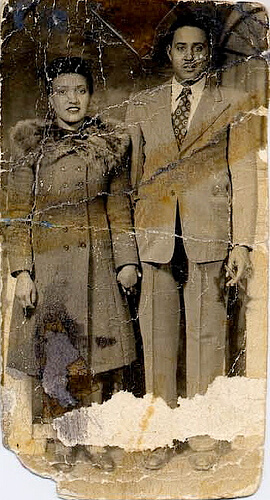
Henrietta Lacks and her husband
In 1951, a young mother of five named Henrietta Lacks visited The Johns Hopkins Hospital complaining of vaginal bleeding. Upon examination, renowned gynecologist Dr. Howard Jones discovered a large, malignant tumor on her cervix. At the time, The Johns Hopkins Hospital was one of only a few hospitals to treat poor African-Americans.
As medical records show, Mrs. Lacks began undergoing radium treatments for her cervical cancer. This was the best medical treatment available at the time for this terrible disease. A sample of her cancer cells retrieved during a biopsy were sent to Dr. George Gey's nearby tissue lab. For years, Dr. Gey, a prominent cancer and virus researcher, had been collecting cells from all patients who came to The Johns Hopkins Hospital with cervical cancer, but each sample quickly died in Dr. Gey’s lab. What he would soon discover was that Mrs. Lacks’ cells were unlike any of the others he had ever seen: where other cells would die, Mrs. Lacks' cells doubled every 20 to 24 hours.
Today, these incredible cells— nicknamed "HeLa" cells, from the first two letters of her first and last names — are used to study the effects of toxins, drugs, hormones and viruses on the growth of cancer cells without experimenting on humans. They have been used to test the effects of radiation and poisons, to study the human genome, to learn more about how viruses work, and played a crucial role in the development of the polio vaccine.
Although Mrs. Lacks ultimately passed away on October 4, 1951, at the age of 31, her cells continue to impact the world.


To honor the life and legacy of Henrietta Lacks, this video highlights her impact on biomedical research and the efforts of Johns Hopkins Medicine to pay homage to her legacy. Learn more at: http://www.hopkinsmedicine.org/henrie..


Henrietta Lacks was an African-American woman who underwent treatment for an aggressive form of cervical cancer at Johns Hopkins Hospital in 1951. Despite receiving a high standard of medical treatment, Mrs. Lacks ultimately succumbed to this cancer at the young age of 31. However, her extraordinary cells—called “HeLa” from the first two letters of her first and last names—continued to reproduce in the laboratory. This was the first time in history that a human cell line was able to be reproduced in a laboratory setting; and it gave medical researchers the opportunity to improve the human condition by allowing them to better understand, treat, and prevent a wide range of diseases, including the development of the polio vaccine, cancer treatment protocols, AIDS research, and much more.


Source: https://www.hopkinsmedicine.org/henriettalacks/index.html


Tuesday, December 4, 2018

Read this before you get your knee replaced

Blog

Read this before you get your knee replaced


More than sixty thousand Canadians per year and climbing get knee replacement surgery.
 
A U.S study published last week in the British Medical Journal finds that a good number of patients south of the border may be getting new knees before they need them.

The study by researchers in the U.S. and the Netherlands looked at just under 4,500 patients with osteoarthritis of the knee and those at high risk of arthritis. They looked at the impact of knee replacement surgery on patients and the cost of the surgery to the system. Overall, each patient benefited somewhat from the surgery with better quality of life. For patients with moderate arthritis, the improvement was modest; for those with severe arthritis, it was substantial. When they looked at the cost of the surgery plus hospital charges, they found that knee replacements were cost effective only in patients with bad arthritis. The authors concluded that knee replacement surgery should be restricted to more severely affected patients.

This is a U.S. study. So you may be wondering how relevant the conclusions are for Canada. One Canadian orthopedic surgeon told me the study is spot on. Money is wasted on people who shouldn't have knee replacements and, many patients end up worse following surgery. Far too many need a second operation to fix problems that were caused by the original replacement, such as stiffness and instability of the knee – often due to surgery that should not have taken place.

The Canadian Institute for Health Information tracks the rising number of repeat surgeries that are being done on Canadians who have new knees put in at a relatively young age. Surgeons who fix botched replacements surgery say the original surgeon replaced the knee even though the arthritis wasn't bad enough. Perhaps the patient complained of a lot of pain and the surgeon replaced the knee without knowing if replacing the knee would fix the pain. They say patients aren't being properly informed of the risks of surgery, and aren't being prepared for what they must do to recover from the operation. The provinces and the federal government have been more focused on wait times. Studies like this one have put outcomes and money wasted on the radar screen.

Sunnybrook's Holland Musculoskeletal Program has developed an award-winning model of patient care. The Holland Program has centralized management and triage of all referrals for joint replacement surgery. Instead of an orthopedic surgeon handling referrals, that job goes to an advanced practice physiotherapist or APP. APPs have additional training in assessing patients with arthritis. They triage patients and refer them to the orthopedic surgeon only when there is objective evidence that that the patient needs a new knee.

The APPs and the surgeons assess the patient's function, and use measurable criteria to score patients. Twenty-eight per cent of the patients the APPs see do not need surgery. Those patients get education on how to manage their arthritis. Patients can demand to see the surgeon, but that seldom takes place because APPs are good at what they do.

At first, the orthopedic surgeons there were a bit skittish about the new approach because they were used to seeing the own referrals. Some were frankly afraid they'd lose business. Now, they love it when APPs assess and screen patients. Before, they had to sift out the patients who needed new knees from those who didn't, and they had to deal with patients who were disappointed that they weren't getting surgery. Now, they have confidence that when the APPs say a patient needs a new knee, they need a new knee. Like me, family doctors are just guessing who needs surgery; the APP knows. 
Fewer patients needing surgery means patients get seen faster and discharged faster. In my book, that's potential a win for every stakeholder.

To me, the bottom line is that patients should not demand a new knee. Instead, they should demand an assessment of their arthritis that is both thorough and objective. You'll know it's both if you are asked a lot of questions about how you function at home, and if you are watched by the health professional as you walk and do other standardized testing.

For my money, an APP is well qualified to assess you and to decide if you need surgery now, or if it can wait. Studies have shown that compared to physicians, APPs are just as good and maybe even better in diagnostic accuracy and the effectiveness of their treatment advice. APPs have also been shown to spend healthcare dollars as wisely and maybe even more wisely. Currently, APPs have started to take hold in Ontario. I think we need to see them right across Canada.


Above all, do not be disappointed if you are advised that you don't need a new knee today. There is always tomorrow.


Link: https://www.cbc.ca/radio/whitecoat/blog/read-this-before-you-get-your-knee-replaced-1.4052504


Sunday, March 18, 2018

How safe is your medical device?


How safe is your medical device? Even regulators may not really know


Dennis Fegan with his grandchildren. Fegan's Vagus Nerve Stimulator was implanted to control seizures caused by epilepsy, but it instead stopped his heart. (Catherine Modlin/Submitted by Jeanne Lenzer)


Listen to the full episode26:30
The medical world has caught a severe case of the tech bug.
Cutting-edge medical devices are joining pacemakers, lenses and artificial hips and knees implanted inside millions of patients, and for the most part, they're improving the lives of patients.
But in her book The Danger Within Us: America's Untested, Unregulated Medical Device Industry and One Man's Battle to Survive It, Jeanne Lenzer details disturbing stories of recalls, hacking, injuries and even deaths related to medical devices that go largely untested and unregulated.
She told White Coat, Black Art host Dr. Brian Goldman that to find the root of this unregulated market in the U.S., one has to go back to 1976 when the Food and Drug Administration (FDA) took control of the medical device industry.
"At that point there were already a lot of devices on the market and in people's bodies; everything from pacemakers to nerve stimulators and spine implants. So what the FDA did was they said: 'OK, you guys are already all on the market, we will grandfather you in,'" said Lenzer, who has written for BMJ, (formerly the British Medical Journal) New York Times Magazine, The New Republic and other outlets. 
Author and journalist Jeanne Lenzer's new book The Danger Within Us chronicles the untested, unregulated medical device industry. (Submitted by Jeanne Lenzer)
 "To make matters worse, they told companies: 'Now if you want to add new devices you can simply say that your device is similar or substantially equivalent to a device that's already on the market.'"
This approval method means many devices on the market have never been tested on humans, and some have not been proven clinically safe or effective.
Moreover, Lenzer said, it's extremely hard to discover (let alone track) how many devices have been sold or implanted into patients.
"The FDA doesn't require manufacturers to tell them how many people are even implanted with their devices. It's a black hole," Lenzer said.
The surgeon who took his hip out described what he saw as an "automotive crank case full of dirty oil." The tissues had turned to black mush.- Jeanne  Lenzer
For example, the DePuy metal-on-metal hip implant ended up poisoning some patients, leading to a recall and lawsuits against the maker.
The metal hips parts grated on one other, releasing chromium and cobalt, causing metallosis.Lenzer described the case of a U.S. surgeon who had to have his own metal-on-metal implant removed.
"The surgeon who took his hip out described what he saw as an 'automotive crank case full of dirty oil.' The tissues had turned to black mush," Lenzer said, adding that cobalt poisoning can also cause thyroid disorder, heart failure and brain problems.
If the U.S had a mandatory registry for devices the way Japan, Australian and other countries do, patients who had devices implanted at U.S. hospitals might have been saved from needing a heart transplant after the device poisoned its host.
Jeanne Lenzer's new book details the unregulated medical device industry. (Submitted by Jeanne Lenzer)
Dr. David Urbach, surgeon-in-chief at Toronto's Women's College Hospital, says that Canada is also in need of better tracking of medical devices.
In a study published last year, he and his colleagues poured over 10 years of medical device records filed with Health Canada.
"We weren't able to find the rate of recalls mostly because we weren't able to determine how many devices are out there," he said, echoing the situation in the U.S.

Seizure-control device stopped patient's heart

The patient at the heart of Lenzer's book is a man named Dennis Fegan, a former firefighter from Texas.
Fegan had hard-to-treat epilepsy and a Vagus Nerve Stimulator (VNS) implanted in 2000 to help control his seizures.
But by 2006, he was repeatedly collapsing and losing consciousness. In July of that year he ended up in an ER after his parents found him passed out in his home.
According to Lenzer, doctors discovered that the VNS wasn't stopping Fegan's seizures: it was stopping his heart.
"His heart was stopping so long, he was passing out and having seizures from a lack of oxygen to the brain." Lenzer said.
Doctors deactivated his VNS, but Fegan was never able to sue the manufacturer, Cyberonics, because a U.S Supreme Court ruling prevents patients from taking device-makers to court over FDA-approved devices.
The VNS had only been conditionally approved by the FDA because of "a high rate of deaths among the test subjects" — a fact that wasn't required to be told to patients, said Lenzer.
Can you imagine if patients were told, "Gee, we've got this new device, it might maybe help you. But it also might kill you.... Would you like to try it?" I mean this is sheer insanity.- Jeanne Lenzer
It was later approved for treating depression, even though studies showed it wasn't effective for the condition.
It was one of several devices approved against the advice of FDA scientists in what's come to be known as Device-gate,Lenzer said.
"The FDA scientists unanimously rejected a number of devices, saying these are unsafe, they shouldn't go on the market and they didn't want to approve them. When suddenly a phone call was made by ... a congressman to FDA managers, and FDA managers overruled their own scientists," she said.
The medical device industry is currently estimated at close to $200-billion a year in Canadian funds. Lenzer says profits, and the industry's close relationship with the FDA, seem to take priority over patient safety.
While Canada has not seen a scandal the liked of Device-gate, Urbach says there is a lot of room for improvement in our system. 
Dr. David Urbach says he removes gastric bands every week at Women's College Hospital in Toronto. (Michael Wong/Women’s College Hospital)
As in the U.S., many devices on the Canadian market have not been tested in humans or have been assumed to be safe because they are modifications of existing devices.
"I don't think we really know these products for certain are safe and effective. There may be unknown risks to all of these medical devices," he said — even though these risks are likely to be "small."
Urbach says many doctors aren't aware that Health Canada relies on citizens to file reports about devices and adverse events.
He says the manufacturers have a "huge incentive to innovate, create new products and put them out on the market," and the public assumes that the newest technology must be the best, even if that's not always the case.

Giving patients a voice

So what's a patient to do?
Lenzer said patients are finding their voice in advocacy groups set up to hold companies to account.
Both Lenzer and Urbach advise patients to ask questions about any device, to check existing databases for additional information and to question the need for the device in the first place.
Urbach suggests asking questions like, "Is this absolutely necessary? Are there other alternatives? What's the consequence of not having this particular device used?" are questions Urbach suggests.
Lenzer says part of the solution has to come from lawmakers.
"We really need to make the kind of policy and political and health-care changes that will make a difference for patients,' she said, adding that she herself has an intra-ocular lens implant following removal of a cataract.
"Part of my frustration that led me to write this book is that it's disappointing to see devices that are useful tarred by the fact that there are many devices that are causing harm. I want to separate them out so we can all be more secure that ... we know more about our devices before they're put in our bodies." 


Link: http://www.cbc.ca/radio/whitecoat/how-safe-is-your-medical-device-even-regulators-don-t-really-know-1.4577995


White Coat, Black Art on CBC Radio
The unregulated world of medical devices
27 MINS
0:00:11
0:27:12


Monday, May 15, 2017

Skip Arthroscopy for Degenerative Knee Disease - Medscape

News and Perspective

Skip Arthroscopy for Degenerative Knee Disease, Report Says

Marcia Frellick
May 12, 2017

Knee arthroscopy is not cost-effective and is strongly discouraged for patients with degenerative knee disease, say authors of a meta-analysis-based practice guideline published May 10 in the BMJ.

The authors include in the definition of degenerative knee disease patients with knee pain, especially those more than 35 years old, with or without X-rays showing osteoarthritis, meniscus tears, locking or catching of the knee, and acute or subacute onset of symptoms.

However, some experts disagree with the report's conclusions. David C. Johnson, MD, an orthopedic surgeon with MedStar Orthopaedic Institute at MedStar Washington Hospital Center in Washington, DC, who says he has completed about 5000 of the surgeries since 1978, said the report will not change his practice.

The report was prompted most recently by a randomized controlled trial published in the BMJ in June 2016, which concluded that, among patients with a degenerative medial meniscus tear, knee arthroscopy was not more beneficial than physical therapy.

The current report is based on two systematic reviews: one on the benefit of knee arthroscopy compared with nonsurgical care, which included data from 13 randomized trials for benefit outcomes (1668 patients) and 12 more observational studies for complications (more than 1.8 million patients.)

A second team did a systematic review to address what level of change on a given scale is important to individual patients.

"[F]urther research is unlikely to alter this recommendation," they write.

Lead author Reed A. C. Siemieniuk, MD, from the Department of Health Research Methods,

Evidence, and Impact at McMaster University in Hamilton, Ontario, Canada, told Medscape Medical News the recommendation is strong enough that insurers should consider withholding payment for the surgeries, and that there should be financial incentives for not performing them, as they cost $3 billion a year in the United States alone.
He said the procedure is ingrained in medical school education and is commonly done for many reasons, "and financial incentives are certainly one of them."

The report notes that knee arthroscopy is performed more than 2 million times a year worldwide. And most guidelines continue to support arthroscopy for groups including those with torn meniscus, sudden onset of pain or swelling, or mild to moderate difficulties with knee movement.

The problem, Dr Siemieniuk says, is that most people affected would fit into those 3 categories.

"We think the burden of proof rests squarely on the shoulders of people who would suggest that this does help anybody in the long term," Dr Siemieniuk said.

Among reasons the report is trustworthy, he says, are that authors did not have financial conflicts of interest, the literature was rigorously studied, and patients were consulted, including those who did and did not have the surgery.

"Really, there's almost no long-term benefit at all and there are risks with [the surgery]. We weren't able to find any evidence to support its use," he said.

Surgeons Evaluate Cases Individually
 
Although Dr Johnson encourages his colleagues to read the report and take it to heart, he says he does not agree with the conclusions.

"Doctors in the trenches," he said, know that risks and kinds of tears must be stratified, and some people will not do well with arthroscopy, but others will, and those decisions must be made individually.

He offered an example: "If you have a knee that doesn't have any arthritis, X-rays are normal, and there is a clear vertical tear which is an acute tear or a complex tear...those people will do better."

Good candidates are also those with a complex tear, with vertical and horizontal tears, and when the meniscus has been degenerating for a period of time and now with a twisting injury a fragment has broken off and that fragment is giving the patient difficulty when they did not have difficulty before.

"Those people will do well in the vast majority cases," he said. "And it may last 3 years. But 3 years is a long time for somebody who's having knee pain. They get a reprieve."
He points out the report targets people older than 35 years and adds, "people over 35 are still very active, and in my book are young, and it would be bad to withhold a treatment that would benefit them even if the chance of benefit is 75% or 65%. Most patients would choose that."

Physicians need to examine each patient to see what is causing the problem, Dr Johnson explains.
"You stratify your decision base to consider each and every one separately, and not bunch them all together and make a blanket statement that I'll never operate on anybody who has any kind of arthritis," he said.

The authors also point out risks associated with the surgery; Dr Johnson says those are "overblown."
"In 5000 cases, I have had zero infections. I've never had to go back into a knee to wash out an infection."

He said he has had five deep-vein thrombosis (DVT) cases that needed treatment, all of whom came in with clotting disorders.

"If you count five DVTs, that's about the rate of DVTs in the general population even without surgery, so when I hear that you shouldn't do something because of risk of infection or DVTs, I find that overblown, at least in my population."

He points out, and the report confirms, that the American Academy of Orthopaedic Surgeons is against doing arthroscopy for patients with osteoarthritis, "but if you have a degenerative knee with meniscus tear, they're going to support doing arthroscopy. They're going to support doing arthroscopy for patients who have mechanical symptoms, and they're going to support patients with evidence of osteoarthritis with a meniscal tear that is symptomatic, and they'll support patients without evidence of osteoarthritis who had a meniscal tear that was symptomatic.

"All of these were denied by the BMJ."

The authors have disclosed no relevant financial relationships.
BMJ. 2017;357:j1982. Full text
For more news, join us on Facebook and Twitter


 Source: http://www.medscape.com/viewarticle/879922#vp_2


Surgery won’t help degenerative knee problems, experts say Global News


May 12, 2017  

Surgery won’t help degenerative knee problems, experts say


Dr. Ben Shaffer leads a team as they perform arthroscopic surgery on a knee at Sibley Memorial Hospital on March 3, 2010, in Washington, DC.


Dr. Ben Shaffer leads a team as they perform arthroscopic surgery on a knee at Sibley Memorial Hospital on March 3, 2010, in Washington, DC.
(Photo by Jahi Chikwendiu/The Washington Post via Getty Images)

A A
Surgery won’t cure chronic knee pain, “locking,” “clicking,” a torn meniscus, or other problems related to knee arthritis, according to a panel of international experts.
Every year, more than two million people with degenerative knee problems have arthroscopic surgery, in which a surgeon inserts a tiny camera into the knee and uses small instruments to try to fix what’s wrong.


But guidelines published Wednesday in the British Medical Journal recommend against the procedure for just about everyone with knee arthritis.
READ MORE: Long wait times for surgery? Depends on where you live
“It does more harm than good,” Dr. Reed Siemieniuk, chair of the guideline panel, told Reuters Health by email.

“Most patients experience improvement after arthroscopy, but in many cases, this is probably wrongly attributed to the surgery itself rather than to the natural course of the disease, a placebo effect, or (other) interventions like painkillers and exercise.”
In addition, the procedure is costly – up to $3 billion annually in the U.S. alone – and there’s a risk of rare but serious adverse effects such as blood clots or infection, said Siemieniuk, who works in the department of Health Research Methods, Evidence and Impact at McMaster University in Hamilton, Ontario, Canada.

READ MORE: Reality check: Do common painkillers increase your risk of heart attack?

The panel, made up of surgeons, physical therapists, clinicians and patients, analyzed data from 13 randomized controlled trials – the gold standard way to test medical procedures – involving a total of 1,668 patients. The trials compared knee arthroscopy to conservative treatments such as exercise and painkillers.
The panelists also reviewed 12 less-rigorous studies of close to two million patients that looked at complications from the procedure.
After considering the balance of benefits, harms and burdens of knee arthroscopy, as well as the quality of the evidence for each outcome, the panel made a “strong recommendation against arthroscopy.”

WATCH: In what ways could Canada’s heathcare system improve?

The evidence shows a less than 15 per cent probability of “small or very small improvement in short-term pain and function” from the procedure, and improvements would likely last less than a year, the panelists noted.

They thought it was more important to avoid postoperative limitations such as pain, swelling and restricted activity, and the risk of adverse effects.

“Chronic knee pain can be incredibly frustrating to live with – both for the person experiencing the pain and for their doctors,” Siemieniuk said.

“The problem is that none of the current options cure the pain. Most people will continue to live with some pain even with weight loss, physical therapy, and painkillers. Knee replacement surgery also has important limitations and should be delayed as long as possible. So it’s no surprise that many placed their hopes in arthroscopic knee surgery.”

Still, he said, “We believe that no one or almost no one would want this surgery if they understand the evidence.”

If you have chronic knee pain, “double down on efforts for things we know work – for example, weight loss and physical therapy,” he advised.
 

“Also, talk to your healthcare provider (doctor, physical therapist) about strategies to reduce the physical stress on the knee that exacerbates the pain,” he added.

Dr. Joseph Bosco, vice-chair at NYU Langone Orthopedics in New York City, told Reuters Health, “In general I agree with the findings and support most of the conclusions.”

“The only issue is that in the study with the strongest evidence, the operative group did not do physical therapy,” he said by email. “That is not consistent with how we treat our patients. Almost all patients get physical therapy following knee arthroscopies.”

“Cortisone injections, physical therapy and anti-inflammatory medications work as well or better than surgery for most degenerative meniscal tears,” said Bosco, who was not involved in developing the guidelines.

However, he added, a small group of people “who (also) have mechanical symptoms, localized pain, and acute onset of pain will benefit, so a blanket recommendation against all surgery for degenerative meniscal tears is not appropriate.”


Source: http://globalnews.ca/news/3448702/arthroscopic-surgery-wont-help-experts/